 CALE
CALETariff engineering for trade counsel and importers
The rate you pay is the result of decisions. Most of them are still open.
Import law does not give a product one rate. It gives a set of lawful configurations, and each one has a price. CALE models the tariff schedule as formal logic and searches that set for the lowest rate the rules permit. Every finding comes with the legal derivation that proves it.
Request an engagement1. The regime
Importers are paying rates that no one can fully explain.
- 1. Duty is no longer additive. Measures interact — some stack, some supersede, some are mutually exclusive. A calculator that sums them is wrong.
- 2. Authorities now expire. Section 122 lapsed on July 24 and was replaced the same morning. A rate that was correct in June is not correct today.
- 3. The code you inherited is not the only lawful one. Most products were classified once, years ago, against one reading of the notes — with no search for the alternatives the schedule permits.
- 4. A model that cannot show its derivation cannot support reasonable care.
Our method
We treat a tariff bill as the output of rules, not a fixed cost. CALE models the tariff schedule as formal logic and searches every lawful path to a lower rate. A finding is either proven or it is not shown.
See how it works2. The engine
If you want to understand what we do and how it works, read this.
The problem? Most savings are still found by hand.
We spent years building an engine that treats a tariff bill as a math problem instead of a fact of life. Most tools in this space are calculators. You describe a product, they tell you what you owe, and that is the end of it. CALE starts where the calculator stops. It holds the tariff schedule, its section notes, and the rulings that interpret them as formal logic, and then it searches. It asks what would happen if the housing were aluminum instead of steel, if final assembly moved one border over, if the product entered under a different heading, if the valuation were structured another way, and it checks every one of those paths against the actual rules. In the latest verification run: eight SKUs taken from raw spec to signed finding, $2.97M of first-year savings verified to the cent, every shipped figure re-derived by an independent adversarial reviewer, every replay byte-identical. And one finding the engine's own review refuted — withdrawn before it shipped, which is the point.
Internal verification pilot on representative commercial terms; not client engagements. Every figure derives from a persisted, replayable engagement — replay available on request.
The part we care most about is that none of this is a black box. The engine does not guess and it does not estimate. It solves, using satisfiability methods, the same mathematics used to verify aircraft software and microchips. Every finding arrives with its derivation attached, a chain of steps that ends at the specific rule, note, or ruling that makes it lawful. If a saving cannot be proven from the rules, it is not shown. That standard is what makes the work usable by counsel, because a recommendation you cannot trace is a recommendation you cannot defend in front of CBP. We wrote the method up in [PAPER], and the short version of it is this: duty is written in rules, and rules can be solved.
3. The levers
Four things can move. We search all of them.
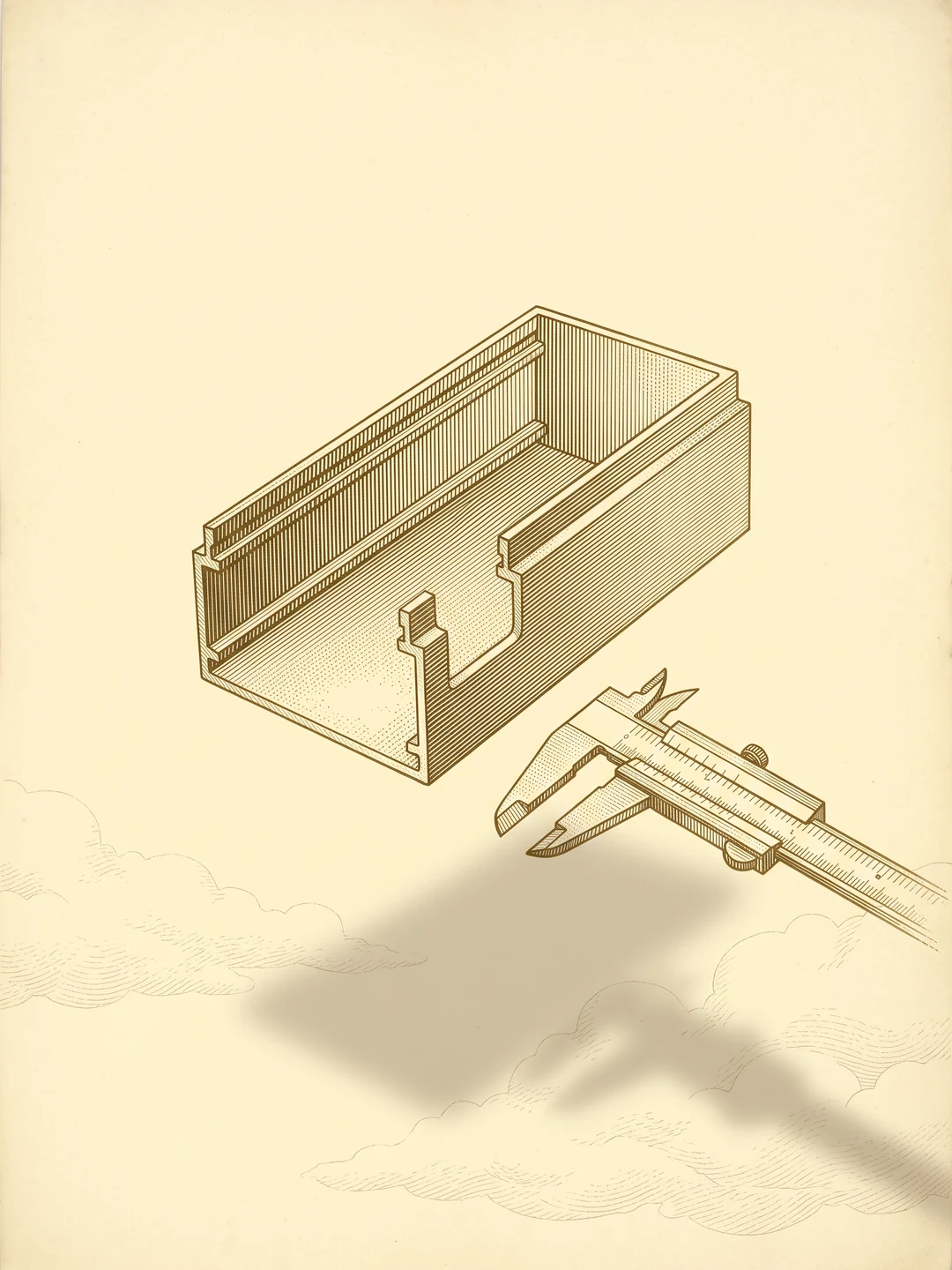
Material, assembly, origin, and valuation. Turn the rack to read the note that governs each one.
01/
Material
*The tariff turns on what a thing is made of, not what it is for. The same housing in aluminium and in steel is two headings at two rates.

02/
Assembly
*Where the parts become the product decides which country's rate applies. The line between assembly and manufacture is drawn by rule.
03/
Origin
*Origin is a legal conclusion, not a shipping address. Substantial transformation is a test with a body of rulings behind it, not a guess.

04/
Valuation
*Duty is charged on a value, and the schedule allows more than one lawful basis for it. First sale and assists each move the number.
A century of precedent
- 1882Merritt v. WelshUpheld
- 1911United States v. CitroenUpheld
- 2003MarvelWon
- 2017Allstar MarketingWon
- OngoingColumbia SportswearStanding practice
- 2024Ford$365M settlement
The practice is a century old. The proof is new.